

What is KNX and why is it considered the smart home standard?

KNX comes up often when a smart home, a hotel or an office is being designed. In this guide you will see what KNX is in simple terms, how devices connect to the bus cable, what the ETS software does and what you can control with such a system.
KNX is an open international standard for home and building automation, supported by more than 500 manufacturers. Its devices are usually connected to a shared bus cable and control lighting, heating, blinds and security as one system. The installation is configured with the ETS software.
Tell us about your home, hotel or office and what you want to automate, and we will get in touch with you.
What is KNX, in simple terms
KNX is an open international standard for home and building automation. It defines a common “language”, so that devices from different manufacturers can communicate reliably with each other within the same installation.
In practice, lighting, heating, blinds, security and energy management work as one system rather than as separate devices. The standard has been around for more than 30 years, and today it is supported by more than 500 manufacturers.
KNX is used in detached houses and flats, as well as in hotels, hospitals and offices. Its core functions run locally, within the installation, without needing a constant internet connection.
How the bus wiring works
In wired KNX, all devices are connected to a shared bus cable, which carries their commands. In KNX TP, the most widespread form, the bus is a special twisted-pair cable designed for building automation.
Two groups of devices are connected to the bus. The first gives commands or takes measurements, such as push buttons, presence sensors and thermostats. The second carries out the commands, such as switch actuators, which switch 230 VAC loads on and off, and dimmers, which adjust the light level.
Power supply
It supplies voltage to the bus through a built-in choke. Comelit offers power supplies of 80, 160, 320 and 640 mA, with a 29 VDC auxiliary output.
Lines
Devices are organised into lines. The line coupler joins two sections of the bus, for example a line with an area, with galvanic isolation.
IP backbone
Lines can also be connected over a LAN. The IP router forwards messages between the lines and acts as a fast backbone for the installation.
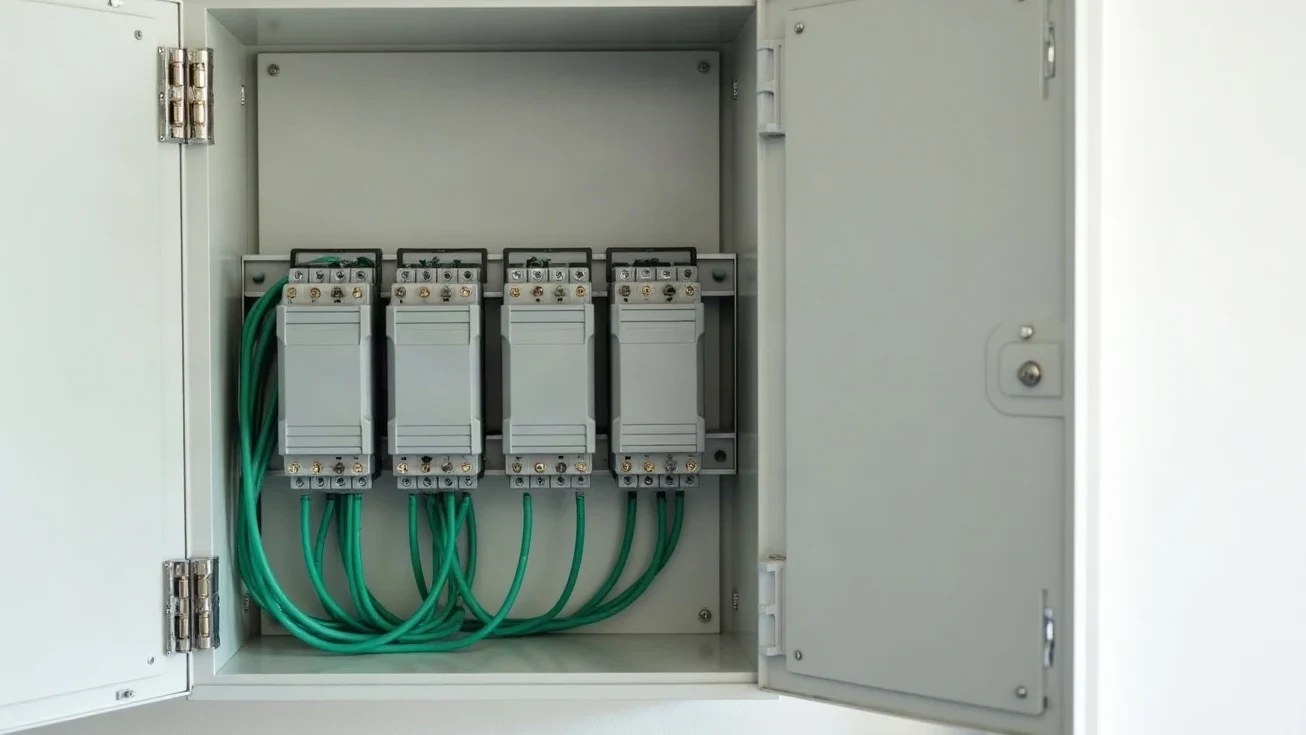
The KNX power supplies, the USB interface and the line coupler from Comelit are mounted on a DIN rail in the distribution board. During installation, the bus runs in a conduit separate from the 230 V lines, and mains voltage is never connected to it at any point.
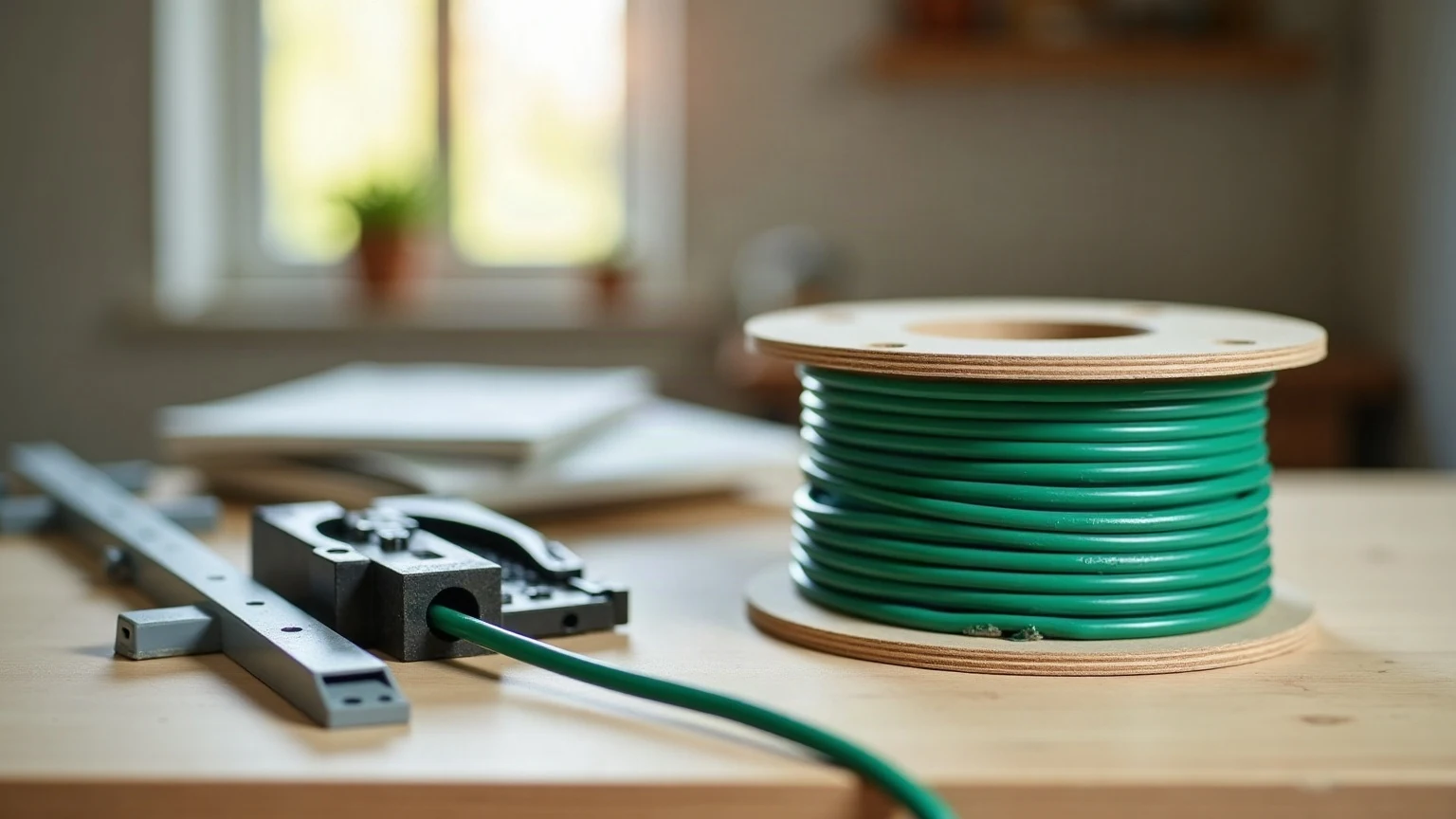
Apart from cable, KNX also uses other transmission media:
| MEDIUM | HOW IT COMMUNICATES | WHAT TO KNOW |
|---|---|---|
| KNX TP | Twisted-pair bus cable | The most widespread KNX medium |
| KNX RF | Radio frequencies below 1 GHz | Works with existing KNX TP installations |
| KNX IP | IP network with the KNXnet/IP protocol | Connects KNX TP installations to the IP network |
What is ETS and who does the programming
ETS is the software used to design and configure every KNX project. It is a single tool for all brands, because it includes all certified KNX devices, regardless of their manufacturer.
Programming is done from a computer, which connects to the bus via an IP router or through a KNX Secure USB interface. The basic steps are:
- Project design. The details of the devices in the project are entered into ETS, whatever their manufacturer.
- Physical address. Each device is given its own address on the bus.
- Parameters. The functions of each device are set, for example the activation time of a presence sensor.
- Linking the functions. You define which push button or sensor controls which output by linking the communication objects into groups.
- Download. The parameters and links are downloaded from the computer to the devices.
ETS is used by installers. KNX certification is not mandatory to use it, but it is strongly recommended, and those who obtain it become KNX Partners. ETS licences differ mainly in project size: the basic editions suit training and small jobs, while the professional editions have no size limit.
What you control: lighting, heating, blinds, scenes
With KNX you control lighting, heating and air conditioning, blinds, security and energy from one system. In the Comelit wired KNX system, these functions are covered as follows:
Lighting
Universal KNX dimmers for halogen, incandescent or LED loads, 1-10V and 0-10V dimmers, an RGBW dimmer and a KNX-DALI gateway for DALI luminaires.
Heating and air conditioning
The CUBIK-TH+CO2 thermostat controls the temperature of one zone and has humidity and air quality sensors. KNX gateways connect Daikin, Mitsubishi Electric, LG and Panasonic air conditioners.
Presence and light
Presence and motion detectors with a light sensor adjust the lighting. The constant light sensor, together with a universal dimmer, keeps the light level steady.
Scenes and consumption
The ETHBUS4 web server supports scenes. With the 3-channel KNX energy meter you set consumption limits, with an alarm when they are exceeded.
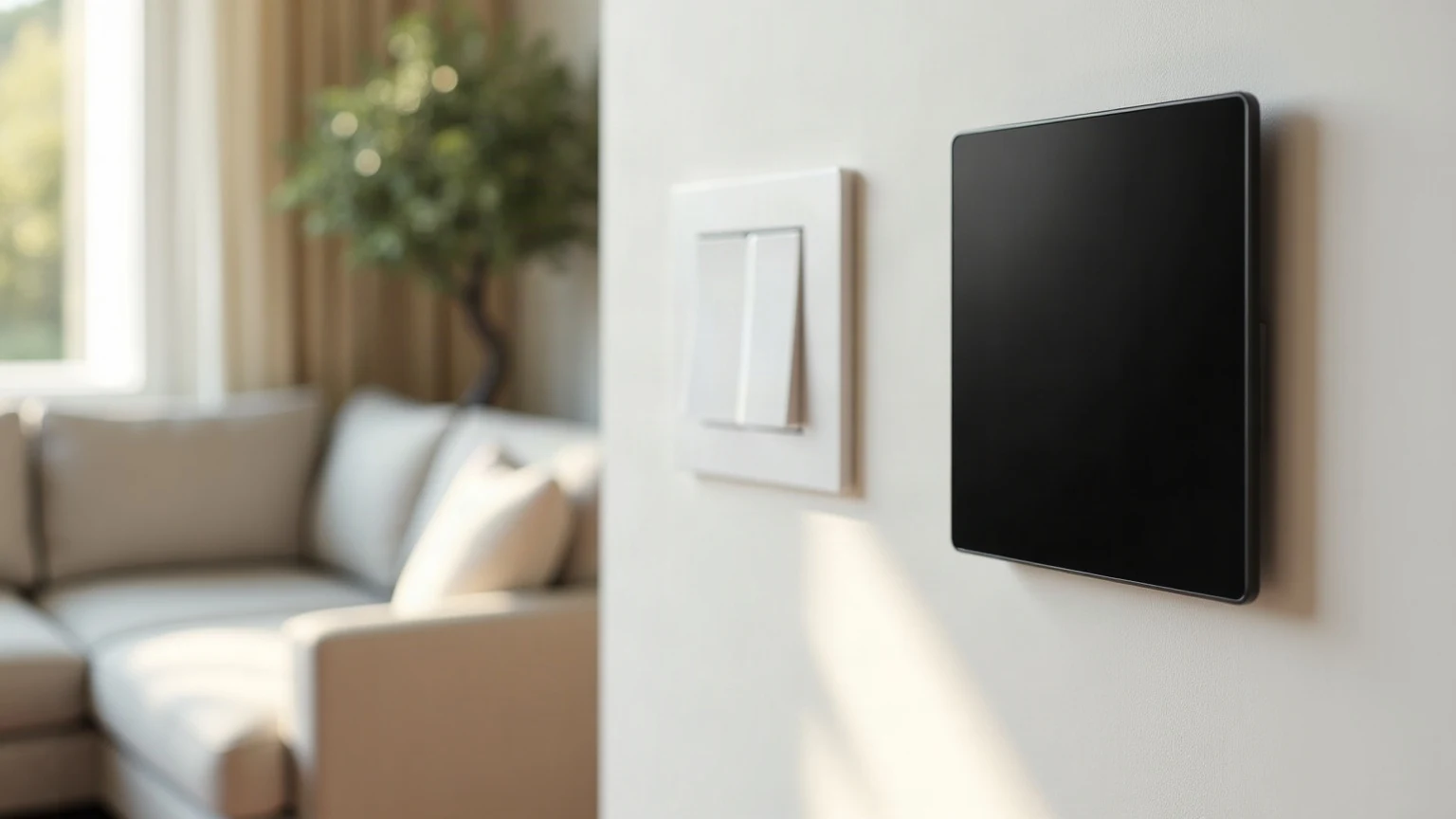
A scene, such as “Leaving home” or “Good night”, brings many commands together in a single press. You operate the system from push buttons, the 4.3-inch SMARTTOUCH2 touch screen or your mobile phone.
The ETHBUS4 web server provides remote access through free apps for iOS and Android or from a browser, and works with Google Home and Alexa. SMARTTOUCH2 also has voice control and a built-in thermostat.
Why an open standard protects your investment
An open standard does not tie you to one manufacturer. The installation can be maintained and extended later, because KNX devices are interoperable and backward compatible.
KNX complies with the European standard EN 50090 and the international standard ISO/IEC 14543 for home and building automation. KNX devices go through official certification, which ensures compliance and interoperability and gives the right to use the KNX trademark.
This has practical value over the years. If you later want a function that the original manufacturer does not offer, you add a certified device from another brand to the same ETS project. The same applies when the project grows: KNX covers everything from the renovation of a single room to complexes with many buildings.
KNX in Comelit systems
Comelit has a wired KNX automation system with equipment for homes, buildings and hotels. It is one of its three wired automation systems, together with SIMPLEHOME and BUSING, while WINGS covers wireless automation.
The system includes switch actuators with 2 to 22 16A outputs and a 30A version, dimmers, sensors, power supplies and KNX gateways for air conditioners. For the bus infrastructure there is an IP router, a USB interface and a line coupler, all with KNX Secure support.
For hotels there are Mini PCs with management software for up to 50 rooms and a USB device for Mifare RFID cards. Comelit's BUSING system also has gateways for connection to KNX.
If you want to combine automation with video door entry, an alarm system and CCTV in one app, see Comelit Smart Home. On the page with the Comelit partners you will see which of them also cover automation in your area.
Frequently asked questions
What cable does KNX need?
In KNX TP, devices are connected with a special twisted-pair bus cable designed for building automation. The bus runs in a conduit separate from the 230 V lines. There is also KNX RF, which communicates over radio frequencies, and KNX IP, which works over a network.
What switches does a KNX system use?
A KNX system takes commands from push buttons, sensors and touch screens. In Comelit KNX equipment, the 4-input flush-mounted module connects conventional push buttons or SELV low-voltage switches, while SMARTTOUCH2 is a 4.3-inch touch screen for controlling all devices.
What is a KNX Partner?
A KNX Partner is a professional who has completed the basic KNX course at an approved training centre and passed the official exam. Their details are added to the official KNX Partners directory, where people looking for a certified installer can find them.
Where do KNX courses and certification take place?
The basic course that leads to certification is held at approved KNX training centres and ends with an official exam. There are also free online courses on ETS and advanced courses for those who are already certified.
What is KNX Secure?
KNX Secure protects KNX communication with messages that are encrypted and authenticated on the bus. In Comelit's KNX Secure IP router, the encryption is AES-128 and is enabled from ETS.
Request a KNX quote for your project
Tell us what type of building you have, what stage the project is at and which functions you want to control. We will get in touch with you as soon as possible.
Sources
- KNX Association, What is KNX? | KNX. https://www.knx.org/explore-knx/what-is-knx
- KNX Association, KNX Technology | KNX. https://www.knx.org/knx-technology
- KNX Association, What is ETS? | KNX. https://www.knx.org/what-ets
- KNX Association, Getting KNX certified | KNX. https://www.knx.org/professionals/getting-knx-certified
- KNX Greece, KNX Greece - Global, Secure, Connected. https://knx.gr/
- Comelit, BD911000 - Comelitgroup Products Downloads. https://pro.comelitgroup.com/en-gb/product/bd911000